
Best Motorcycle Seat Cover Materials: How I Choose Between Vinyl, Leather, Fabric and More
 Jake Miller
13 min read
Jake Miller
13 min read
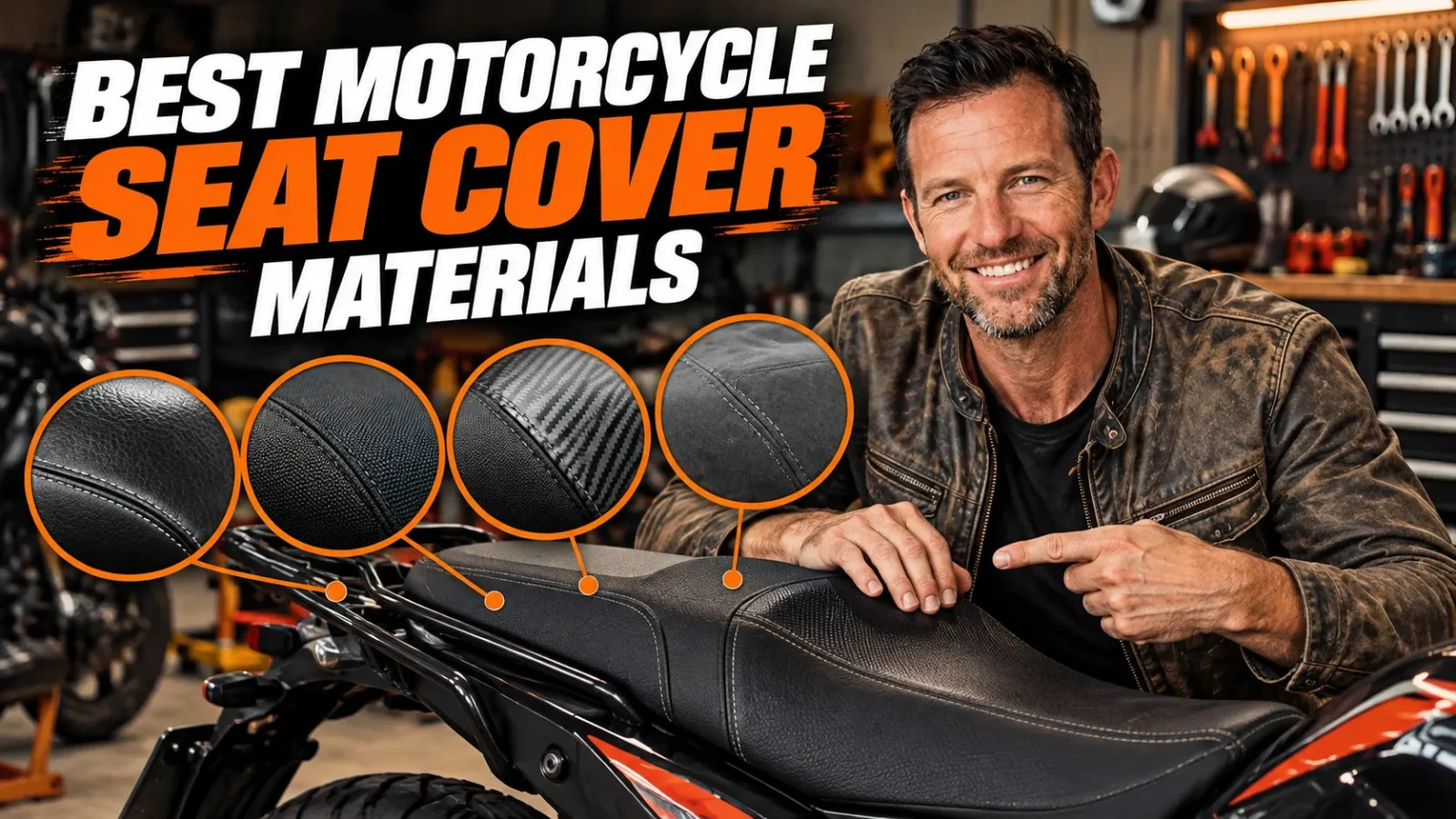
The cover is the only part of the seat you can see, and it decides how the seat feels in rain, in heat and at the end of year three. Here’s how to choose one you won’t regret.
This post is part of my seat series. If you’d like the full picture first, including foam and pan, read my complete guide to the best motorcycle seat, then use this page to pick the cover.
- Marine-grade vinyl is the practical default for most riders: water resistant, UV resistant and easy to clean.
- Leather feels and looks great, but it needs regular conditioning and protection, and it can be hot, slippery or stiff depending on type and weather.
- Fabric and mesh covers breathe well but absorb water, so they suit dry, hot climates better than wet ones.
- Exotic skins are a style choice with real durability, maintenance, cost and legal and ethical considerations. Be careful, and check local rules.
- Colour matters: dark covers get hotter in the sun, and lighter ones stay cooler. Choose for your climate.
- For care, see my seat cleaning and protection guide, and for the full seat picture see my best motorcycle seat guide.
[IMAGE PLACEHOLDER 1: Featured image] Alt text: Swatches of motorcycle seat cover materials including vinyl, leather and mesh AI image prompt: Studio flat-lay photo of five motorcycle seat cover material swatches on a workbench: smooth black vinyl, brown leather, textured grippy vinyl, grey mesh fabric and cream sheepskin, neatly arranged with soft shadows, neutral background, no logos, 16:9.
Why the Cover Matters More Than You’d Think
When people shop for a seat, they usually think about foam and shape. The cover gets treated as an afterthought: “black vinyl, fine.”
Then they ride in the rain, or park in the sun, or finish a long day sliding around on a slick surface, and they start paying attention.
I learned this the hard way on a ride where the weather turned unexpectedly. I’d just fitted a seat with a handsome, glossy cover. Within ten minutes of rain I was sliding forward at every stop and bracing against the tank. The foam was great. The cover was the problem.
The cover affects:
- Grip. How well you stay put.
- Heat. How hot it gets in the sun and how it feels in a cold start.
- Water resistance. Whether rain soaks through to the foam.
- Durability. How it handles UV, scuffs and age.
- Maintenance. How much care it needs.
- Looks. Which, to be fair, matters too.
I haven’t used every material on every bike, and I won’t pretend to. What I can do is explain how each one behaves so you can choose for your own riding.
The Main Cover Materials, Compared
1. Marine-Grade Vinyl
This is the workhorse of the seat world, and the answer to most people asking about the best vinyl for a motorcycle seat.
Why riders choose it
- Resists water and UV better than many alternatives
- Easy to wipe clean
- Available in many textures and colours
- Generally more affordable than leather
Drawbacks
- Quality varies a lot, and cheap vinyl cracks and fades
- Can get hot in direct sun
- Can feel slippery when wet if smooth
- Doesn’t breathe, so it can feel sweaty
What I’d look for: marine-grade or automotive-grade vinyl, designed for outdoor use, with a UV-resistant finish and a suitable texture.
2. Genuine Leather
Leather has a long tradition on motorcycles, and a well-cared-for leather seat can look fantastic.
Why riders choose it
- Looks and feels premium
- Develops character as it ages
- Breathes better than vinyl
- Can be repaired and conditioned
Drawbacks
- Needs regular cleaning and conditioning
- Can soak up water, stain and stiffen if neglected
- Can be hot in sun and cold in winter
- More expensive than vinyl
- Quality varies, and some leather is treated differently from others
If you choose leather, plan on care. My seat care guide explains how to clean and protect it without making it slippery. If you ride in a jacket, my guides to cleaning a leather jacket and breaking in leather apply similar principles.
3. Synthetic Leather
Synthetic or “faux” leather tries to mimic leather at a lower cost.
Why riders choose it
- Looks similar to leather
- Usually cheaper
- Easier to care for than real leather
- Often more water resistant
Drawbacks
- Quality varies enormously
- Can crack or peel with age and sun
- Doesn’t develop the same patina
- May not breathe
If you choose it, look for products designed for outdoor use and read reviews carefully.
4. Fabric and Mesh
Fabric covers, including mesh and some textile blends, put comfort and airflow first.
Why riders choose it
- Breathes well and reduces sweat
- Often grippy
- Can be comfortable in heat
Drawbacks
- Absorbs water and takes a while to dry
- Can stain and hold dirt
- May wear faster in some conditions
- Not ideal in wet climates
These suit dry, hot climates better than rainy ones. If you choose fabric, make sure the foam underneath is protected from water.
5. Sheepskin Covers
Sheepskin isn’t a seat cover in the structural sense, but it’s a popular overlay and worth mentioning. I cover it in more detail in my seat cushion guide.
- Breathes in heat, insulates in cold
- Reduces friction and sweat
- Needs drying and care
- Doesn’t spread pressure like gel or air
6. Exotic Skins
You’ll see people ask about the best exotic skins for motorcycle seats, so I’ll address it honestly.
What they are: covers made from animal skins such as alligator, ostrich, snake and similar. Some riders choose them for a distinctive, high-end custom look.
What to consider
- Cost. They can be very expensive.
- Durability and care. Many are less suited to daily outdoor use than vinyl, and need careful care.
- Legal issues. Some exotic skins are restricted or regulated, and rules vary by country and species. Check the law where you live and where you’ll ride.
- Ethics and sourcing. Know where the material comes from and whether it’s legitimately and responsibly sourced.
- Faux alternatives. Many vinyl and synthetic options mimic exotic textures without the cost or legal complexity.
For most riders, an exotic-look vinyl is the practical way to get the style. If you want genuine exotic skin, work with a reputable, experienced builder and verify sourcing and legality.
[IMAGE PLACEHOLDER 2: Material comparison close-ups] Alt text: Close-up comparison of smooth vinyl, textured vinyl, leather and mesh seat covers AI image prompt: Macro photo grid of four motorcycle seat cover textures side by side: smooth black vinyl, diamond-textured grippy vinyl, brown leather with stitching and grey perforated mesh, even lighting, neutral background, no logos, 4:3.
Quick Comparison
| Material | Water resistance | Heat comfort | Care needed | Typical cost |
|---|---|---|---|---|
| Marine-grade vinyl | High | Can be hot | Low | Low to medium |
| Genuine leather | Medium (with care) | Variable | High | Medium to high |
| Synthetic leather | Medium to high | Can be hot | Low to medium | Low to medium |
| Fabric / mesh | Low | Cool | Medium | Low to medium |
| Exotic skins | Varies | Varies | High | High |
Costs depend on region and supplier, so treat this as a comparison rather than a price list.
Choosing for Your Climate
This is where many people go wrong. The best cover in Seattle isn’t the best cover in Arizona.
Hot Climates
- Choose lighter colours and breathable materials where you can.
- Avoid very dark, smooth vinyl if the bike sits in direct sun, because it can get uncomfortably hot.
- Consider perforated or mesh sections for airflow.
- Use a bike cover to shade the seat when parked.
Cold Climates
- Dark colours warm up faster in the sun, which is a small plus.
- Leather and vinyl can feel stiff and cold on a cold start.
- Sheepskin or a cushion adds warmth.
- Moisture and freezing can damage poorly sealed covers, so check for cracks.
Wet Climates
- Marine-grade vinyl is usually the safest choice.
- Check seams and stitching for water resistance.
- Avoid absorbent fabrics unless the seat is sealed.
- Waterproofing the seat and using a cover helps. See my seat protection guide.
Tropical and Humid Climates
If you’re searching for the best seat cover for a motorcycle in the Philippines or somewhere similar, you’re dealing with heat, humidity, sudden downpours and strong sun. A few things help:
- Water-resistant vinyl that handles sudden rain
- UV-resistant materials that won’t fade or crack
- Breathable or lighter-coloured options to reduce heat
- Quick-drying materials that don’t hold moisture
- A good bike cover when parked outside
- Local upholstery shops, which often know what works in your climate and can make a cover to fit
I haven’t ridden in every climate, so talk to local riders and shops about what lasts where you live.
The Colour Question
People often ask about the best colour for a motorcycle seat for cool temperatures, and a few points are worth making.
- Dark colours absorb more heat. In cool climates, that can mean a slightly warmer seat in sun, which many riders like.
- Light colours reflect heat. They stay cooler in hot weather, but show dirt more.
- Colour affects fading. Dark covers may show fading more clearly, depending on the material and UV exposure.
- Looks matter too. Choose something you’ll still like in a few years.
For cool climates, a dark cover is usually fine and can feel warmer in sun. For hot climates, a lighter colour is more comfortable. The bigger factor is usually the material and how the bike is stored, so don’t choose colour alone.
Texture, Grip and Stitching
The surface texture affects how you sit.
- Smooth covers look sleek but can be slippery, especially when wet.
- Textured covers give grip and help you stay put.
- Very grippy covers can wear clothing and feel sticky in heat.
- Stitching style matters. Heavily stitched seams can create pressure points, and water can enter through needle holes. Look for sealed or well-finished seams.
If you ride off-road or on a sporty bike, grip matters more. If you’re a cruiser rider, comfort and heat may matter more.
Choosing a Cover for Your Bike Type
- Cruisers: vinyl or leather, depending on your taste and care routine. Grip helps on bucket-style seats.
- Touring bikes: durable vinyl, perhaps with breathable sections. Comfort over hours matters. See my guide to Harley touring seats.
- Sportsters and compact bikes: a stylish, durable cover. See my Sportster seat guide.
- Dual-sports and adventure bikes: grippy, water-resistant, tough vinyl. See my KLX250 seat guide.
- Hardtails and customs: often leather or custom-made covers for style. See my hardtail seat guide.
Replacing or Recovering a Seat
If you’re recovering a seat yourself, the cover is only part of the job. You also need to check the foam and pan, and use the right adhesive, staples and thread. My DIY seat rebuild guide walks through the process.
If you’d rather not, a good upholstery shop can make a cover to your pattern. Bring your old cover, tell them how you ride and where you live, and ask what they’d recommend.
Caring for Your Cover
A good cover lasts longer with care.
- Clean regularly. Use a cleaner suited to the material. Vinyl and leather need different products.
- Condition leather. Dry leather cracks.
- Protect from UV. Sun is the main enemy of covers.
- Avoid slippery products on the top. A seat that shines because of a silicone treatment can be dangerous.
- Keep it dry. Dry out wet seats before covering them.
- Repair small tears quickly. Water gets in and ruins foam.
My full process is in my seat care guide.
Common Mistakes With Seat Covers
- Choosing by looks alone. A beautiful cover that’s slippery or hot is a bad choice.
- Ignoring climate. Match the material to where you ride.
- Buying cheap vinyl. It cracks and fades quickly.
- Forgetting care. Leather needs maintenance, and neglected leather fails.
- Using slippery products on top. Don’t make the seat a slide.
- Ignoring seams. Poor stitching leaks and wears.
- Not checking legality of exotic skins. Rules vary and the stakes can be high.
A Cover Buying Checklist
- I know my climate and how the bike is stored.
- I know how much care I’m willing to do.
- I’ve chosen a material suited to rain, sun and heat.
- I’ve thought about grip and texture.
- I’ve chosen a colour for my climate and taste.
- I’ve checked the seams and finish.
- If choosing exotic skins, I’ve checked legality and sourcing.
- I know how I’ll clean and protect it.
Methodology: How I Approached This Guide
- I compared materials by how they behave in real riding conditions: grip, heat, water and care.
- I haven’t used every material on every bike, and I haven’t tried to rank brands or suppliers.
- I’ve avoided exact prices, because they vary by region and supplier.
- I’ve added legal and ethical notes on exotic skins because they matter.
- My advice comes from my own riding, from conversations with riders and upholsterers and from common practice.
If you’ve had a cover last (or fail) in your climate, I’d love to hear about it.
Frequently Asked Questions
What is the best material for a motorcycle seat cover?
For most riders, marine-grade vinyl is the practical choice because it resists water and UV and is easy to clean. Leather suits riders who enjoy caring for it, and fabric suits dry, hot climates.
Is vinyl or leather better for a motorcycle seat?
Vinyl is more practical and lower maintenance. Leather looks and feels premium but needs regular care. Choose based on your climate and routine.
What is the best upholstery for motorcycle seats?
Look for outdoor-rated materials with UV and water resistance. Marine-grade vinyl is the usual default. A good upholstery shop can advise based on your climate.
What colour seat is best for cool weather?
Dark colours warm up faster in sun and are fine for cool climates. In hot climates, lighter colours are more comfortable. Material and storage matter as much as colour.
Are exotic skin seat covers worth it?
They’re a style choice with higher cost, higher care needs and legal and ethical considerations. Many riders choose exotic-look vinyl instead. If you want genuine skin, check legality and sourcing carefully.
What is the best seat cover for a motorcycle in the Philippines?
Water-resistant, UV-resistant vinyl is a common choice for hot, humid, rainy conditions. Lighter colours and breathable sections help with heat. Local upholstery shops can advise.
Are mesh seat covers good?
They breathe well in heat but absorb water, so they suit dry climates better than wet ones.
Will a new cover make the seat more comfortable?
It can improve grip, heat and feel, but it can’t fix flat foam or a bad shape. See my main seat guide.
How do I stop a seat cover from being slippery?
Choose a textured cover, avoid silicone-heavy protectants on the top, and keep the seat clean. See my seat care guide.
Final Thoughts
The cover is where your seat meets the weather and your body. Choose for your climate, think about grip and care, and don’t let looks decide alone.
A good cover protects the foam, keeps you in place and still looks good in a few years.
Keep Reading in the Seat Series

Related Articles
Best Motorcycle Seats for Tailbone and Back Pain Relief: What Helps and What Doesn’t
Riding hurts? Here's what I look for in a motorcycle seat for tailbone pain, a bad back and pressure problems,…
Jake Miller
13 min read
Best Motorcycle Seat for Tall Riders: Room to Stretch, Support That Lasts
Tall, big or riding two-up? Here's how I choose a motorcycle seat with enough reach, support and room, from seat…
Jake Miller
13 min read
Best Motorcycle Seat for Short Riders: How I Get Both Feet Down Without Giving Up Comfort
Short rider and tired of tiptoeing at red lights? Here's how I choose a lower, narrower motorcycle seat, including solo…
Jake Miller
17 min read