
How to Wash Your Motorcycle Jacket the Right Way (Without Ruining It)
 Jake Miller
15 min read
Jake Miller
15 min read
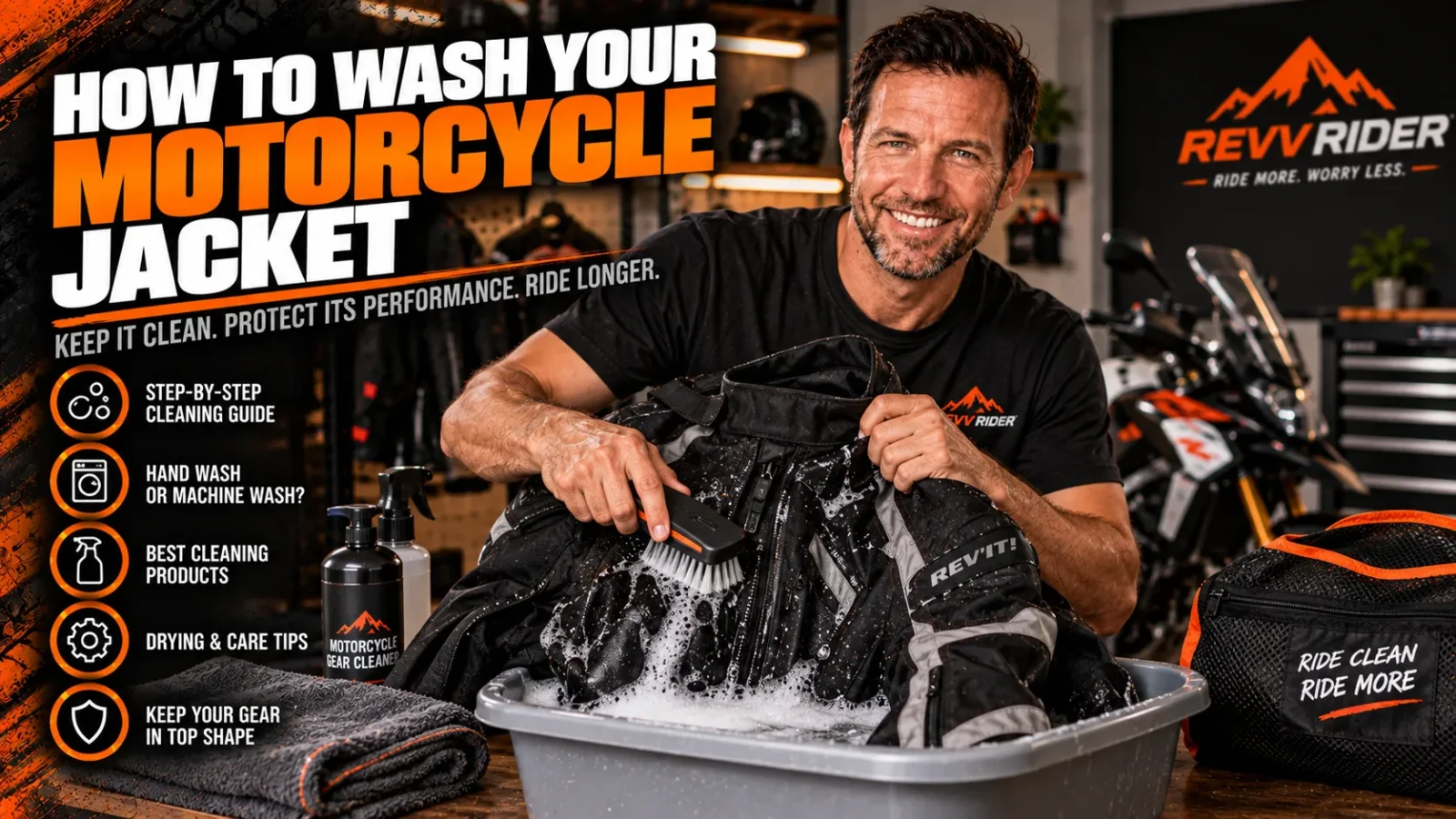
Your motorcycle jacket takes a beating every single time you swing a leg over your bike. Bug splatter, road grime, sweat, rain, and the occasional gas station coffee spill all add up fast.
Yet a surprising number of riders have no idea how to properly clean the very gear that’s supposed to protect them. If you’ve ever tossed your riding jacket in with a load of laundry (or worse, just let the grime pile up), it’s time to learn how to do it right.
Whether you’re rocking full-grain leather, a technical textile shell, or a summer mesh piece, washing your jacket correctly preserves both its appearance and its protective performance.
If you haven’t already, check out our Ultimate Guide to Motorcycle Jackets for a full rundown on materials, fit, and features before diving into cleaning specifics. Now, let’s get your jacket looking (and smelling) as good as new.
Why Washing Your Motorcycle Jacket the Wrong Way Is a Real Risk
It’s easy to assume a jacket is just a jacket, but motorcycle gear is engineered differently than your everyday hoodie.
Abrasion-resistant panels, waterproof membranes, reflective materials, and CE-rated armor are all built to very specific tolerances.
Throw your jacket into a hot wash with regular detergent, and you could be quietly destroying the very protection you paid for.
Heat, harsh chemicals, and aggressive agitation are the three biggest enemies of riding gear longevity. Waterproof coatings can peel, leather can crack and stiffen, and mesh fabric can lose its shape or tear.
If you’re unsure just how critical this protective layer really is, our breakdown of motorcycle jacket safety ratings explained shows exactly what’s at stake when abrasion resistance and impact protection are compromised.
Understanding CE Ratings Before You Clean
Many modern jackets carry a CE certification, which measures how well the garment resists abrasion, tearing, and impact.
If you’re not familiar with what this rating means for your gear, take a moment to read Understanding Safety Ratings: What is “CE” and our deeper dive in the CE Rating Explained article.
The short version? Certain fabric treatments and armor components are sensitive to heat and chemical exposure, which is exactly why washing method matters so much.
Step One: Identify Your Jacket’s Material
Before you grab a sponge or load the washing machine, you need to know exactly what you’re working with. Cleaning methods differ dramatically between leather, textile, and mesh jackets, and using the wrong technique can cause irreversible damage.
Leather Jackets
Leather is durable but demands a gentler touch than most riders realize. It should never be machine washed, soaked, or exposed to high heat. If leather is your jacket’s main material, skip ahead to our dedicated section below, or head straight to our comprehensive How to Clean a Leather Jacket resource for material-specific tips.
Textile and Nylon/Polyester Jackets
Textile jackets, often made from ballistic nylon, Cordura, or polyester blends, are generally more washing-machine friendly, though “friendly” doesn’t mean you can just toss them in on a hot cycle with your jeans.
These fabrics often feature laminated waterproof membranes (think Gore-Tex or similar technology) that require specific care to maintain their water resistance.
Mesh Jackets
Mesh jackets, popular for hot-weather riding, are lightweight and breathable but can be surprisingly delicate.
The perforated panels can snag, stretch, or tear if handled roughly. If you own one of the best mesh motorcycle jackets for men or a budget-friendly option like the best mesh motorcycle jacket for $100, gentle hand washing is almost always the safer route.
What You’ll Need Before You Start
Gathering the right supplies ahead of time makes the whole process smoother and reduces the temptation to reach for whatever’s under the kitchen sink (please don’t use bleach).
- A mild, pH-balanced detergent (avoid anything with brighteners, bleach, or strong fragrances)
- A soft-bristled brush or microfiber cloth
- Lukewarm water, never hot
- A specialized technical fabric cleaner if your jacket has a waterproof/breathable membrane
- Leather conditioner (leather jackets only)
- A mesh laundry bag (for machine-washable textile jackets)
How to Wash a Textile Motorcycle Jacket
Textile jackets are the most common type on the road today, and thankfully, they’re also the most forgiving when it comes to cleaning. Here’s the process to follow step by step.
1. Remove All Armor and Liners
Almost every modern textile jacket features removable CE-rated armor in the shoulders, elbows, and sometimes the back. This armor is typically foam or hard plastic and should never go through a washing machine or dryer. Unzip the pockets, pull out the padding, and set it aside.
If your jacket has a removable thermal or rain liner, take that out too and wash it separately according to its own care label.
2. Close All Zippers and Velcro
Zip up every zipper and fasten every strap of Velcro before washing. This small step prevents snagging, which can tear delicate mesh panels or scratch other garments if you’re washing multiple items together.
3. Choose the Right Wash Setting
If the care label allows machine washing, place the jacket inside a mesh laundry bag and use a gentle, cold-water cycle. Add a small amount of technical fabric cleaner (regular detergent can leave residue that reduces breathability and water repellency). Skip the fabric softener entirely, as it clogs the pores of breathable membranes.
4. Hand Washing Is Often Safer
When in doubt, hand wash. Fill a tub or basin with lukewarm water and a small amount of mild detergent. Submerge the jacket, gently agitate it with your hands, and use a soft brush on particularly grimy areas like cuffs and collars. Rinse thoroughly until the water runs clear, making sure no soap residue remains.
5. Reproof the Waterproofing
Over time, water-repellent coatings wear down from washing and general use. After your jacket is clean and slightly damp, apply a DWR (durable water repellent) spray designed for technical outerwear.
This step is especially important if you rely on your gear as one of the best waterproof jacket for motorcycle options for unpredictable weather, or if you’re riding somewhere notoriously damp like the destinations covered in our best jackets for seattle motorcycle guide.
How to Wash a Leather Motorcycle Jacket
Leather requires a completely different approach than synthetic materials. Because it’s a natural, porous material, water and harsh detergents can strip its natural oils, leading to cracking, stiffness, and premature aging.
1. Never Fully Submerge Leather
This is the golden rule. Leather should never be soaked, machine washed, or dry cleaned using standard chemical solvents. Instead, use a barely damp microfiber cloth for surface cleaning.
2. Spot Clean Stains Immediately
Mix a small amount of saddle soap or a leather-specific cleaner with water, and gently work it into stained or dirty areas using a soft cloth in small circular motions. Wipe away excess moisture immediately with a dry cloth.
3. Condition After Every Clean
Leather conditioner replenishes the natural oils that cleaning removes. Apply a thin, even layer with a clean cloth, let it absorb for the time recommended on the product label, then buff away any excess.
This step keeps the material supple and prevents the stiffness that leads many riders to prematurely retire jackets, sometimes well before it’s actually necessary.
For a complete breakdown of leather-specific cleaning and conditioning schedules, our How to Clean a Leather Jacket guide covers everything in more depth.
4. Fresh Leather Jackets Need Special Care Too
If you’ve just purchased a new leather jacket, cleaning isn’t your first concern, breaking it in properly is. Harsh washing too early can interfere with the natural break-in process. Check out How to Break In a New Leather Motorcycle Jacket before you even think about deep cleaning a brand-new piece.
Cleaning Mesh and Perforated Jackets
Mesh jackets trap dust, pollen, and road grime in their tiny perforations, making them look dingy faster than solid-panel jackets. The good news is they’re usually quick to clean.
Gentle Hand Washing Method
Fill a basin with cool water and mild soap, then gently scrub the mesh panels with a soft brush in the direction of the weave, not against it. Rinse thoroughly, as soap residue trapped in mesh holes can irritate skin during hot, sweaty rides.
If you own a best perforated jacket for motorcycle pick or something built for extreme heat like the best motorcycle jacket for 100 degrees, this gentle approach preserves airflow and comfort.
Don’t Forget Under-Layers
If you layer a windproof liner under your mesh jacket for cooler mornings, wash that separately according to its label. Our guide on the best windproof under layers for perforated motorcycle jacket also includes basic care tips for these accessories.
Drying Your Jacket the Correct Way
Drying is where a lot of riders unknowingly undo all their careful washing work. Never use a tumble dryer on any motorcycle jacket, leather, textile, or mesh. High heat shrinks fabric, warps armor pockets, and can permanently damage waterproof laminates.
Air Drying Best Practices
Hang your jacket on a wide, padded hanger in a well-ventilated area away from direct sunlight or heat vents. Direct UV exposure fades color and can weaken certain synthetic fibers over time. Turn textile jackets inside out first to help interior padding and linings dry faster and more evenly.
Reinsert Armor Only When Fully Dry
Wait until the jacket is completely dry, inside and out, before putting the armor back in. Trapped moisture around CE-rated padding can lead to mildew and unpleasant odors, plus it can degrade the foam’s impact-absorbing properties over time.
Common Washing Mistakes That Damage Jackets
Even well-meaning riders make these errors regularly. Avoid them to keep your gear performing at its best for years.
Using Regular Laundry Detergent
Standard detergents often contain brighteners and surfactants that break down waterproof coatings and strip natural oils from leather. Stick to specialized cleaners made for technical outerwear or leather goods.
Ignoring the Care Label
Manufacturers spend serious time and money testing their materials. If the label says hand wash only or “do not machine wash,” there’s a good reason. This is especially true for premium technical gear, like the pieces featured in our best klim jacket for motorcycle touring roundup, where advanced membranes require extra-careful handling.
Skipping Reproofing Treatments
Washing removes accumulated dirt but also strips away water-repellent treatments. Skipping the reproofing step means your “waterproof” jacket may start soaking through water much sooner than expected, particularly frustrating if you invested in something from our best motorcycle jackets for all weather list specifically for its water resistance.
Washing Too Frequently or Not Enough
Over-washing accelerates wear and tear on fabric and leather alike, while under-washing allows sweat, salt, and grime to break down materials from the inside out. Finding the right balance protects both comfort and longevity.
How Often Should You Actually Wash It?
There’s no single answer here, it depends heavily on your riding frequency, climate, and jacket material. As a general guideline:
- Light wipe-down: After every few rides, especially after rain or heavy traffic exposure.
- Deep clean: Every 4 to 8 weeks for regular riders, or immediately after exposure to salt water, mud, or heavy sweat.
- Leather conditioning: Every 3 to 6 months, depending on climate and how often the jacket sees rain or sun exposure.
Riders in hot, humid climates like the ones covered in our best motorcycle jacket for florida and best motorcycle jacket for texas guides will likely need to wash more frequently due to sweat buildup, while riders in drier regions featured in our best motorcycle jacket for california roundup might stretch that timeline slightly longer.
Knowing When Cleaning Isn’t Enough
Even the best-maintained jacket eventually reaches the end of its usable life. Cracked leather that won’t respond to conditioning, delaminated waterproof membranes, or compressed, brittle armor foam are all signs that no amount of washing will restore proper protection.
If your jacket is showing these signs, it might be time to consult our guide on When to Replace Your Jacket rather than continuing to patch it up.
Fit Matters as Much as Cleanliness
While you’re evaluating your jacket’s condition, it’s also worth double-checking that it still fits the way it should, gear stretches and settles over time.
Our motorcycle jacket fitting guide is a great resource if you suspect your jacket has loosened up or if you’re shopping for a replacement, whether you need something for best motorcycle jacket for tall riders, best motorcycle jacket for big guys, or best motorcycle jacket for large boobs to ensure proper armor placement and comfort.
Special Considerations for Different Jacket Styles
Not every jacket is built the same, and cleaning approaches can vary slightly based on style and intended use.
Adventure and Touring Jackets
These jackets often feature multiple layers, removable liners, and extensive venting systems, meaning more components to clean separately.
If you rely on something from our best motorcycle touring jackets for 2026 list or an best value adventure jacket for motorcycle pick, take the time to wash each layer according to its own specific care instructions.
Cafe Racer and Vintage-Style Jackets
Classic styles, like those found in our best brands for classic motorcycle jacket guide or the best looking jacket for a vintage motorcycle list, are frequently leather and often feature unique hardware like snaps and buckles. Cover or remove hardware where possible during cleaning to avoid scratching the leather surface.
Heated and Electronic Jackets
If your jacket includes heating elements, like those in the best heated jacket for motorcycle category, never submerge it in water. These require careful spot cleaning only, with the battery and wiring components fully disconnected and removed beforehand.
Final Thoughts on Keeping Your Gear in Top Shape
Washing your motorcycle jacket properly isn’t just about looking good on your next ride, it’s about preserving the protective technology you’re counting on if something goes wrong out on the road.
Take the extra ten minutes to check the care label, use the right products, and let your gear air dry the way it’s meant to. Your jacket protects you every mile you ride; returning the favor with proper care just makes sense.
Whether you’re maintaining a trusted leather classic, a hardworking textile tourer, or a lightweight mesh piece for summer commutes, the fundamentals stay the same: know your material, skip the heat and harsh chemicals, and never skimp on drying time. Do that consistently and you’ll get years more life out of gear that’s already earning its keep every time you throw a leg over the bike.
Take care of it, and it’ll keep taking care of you. Ride safe out there.
Frequently Asked Questions
Can I put my motorcycle jacket in the washing machine?
It depends entirely on the material. Textile jackets often tolerate a gentle, cold-water cycle inside a mesh laundry bag, but only after you’ve pulled the armor and liners out and checked the care label. Leather should never go anywhere near a washing machine, and mesh jackets do better with a gentle hand wash since the perforated panels can snag or stretch under machine agitation.
Is it okay to dry clean a motorcycle jacket?
I’d steer clear of standard dry cleaning for most riding gear. The solvents used in typical dry-cleaning processes can strip the natural oils out of leather and break down the waterproof membranes and coatings on technical textile jackets. If a jacket genuinely needs professional attention, look for a cleaner who specifically works with technical outerwear or leather goods, not a general dry cleaner.
How do I get rid of the sweat smell in my jacket?
Odor usually means salt and bacteria have worked their way into the lining, not just the outer shell. A proper hand wash (or machine wash for textile jackets) with a mild, pH-balanced detergent handles most of it. For stubborn smell between washes, turn the jacket inside out and let it air dry fully in a ventilated spot, since trapped moisture is what lets odor-causing bacteria stick around.
Will washing my jacket ruin the waterproofing?
Washing itself won’t destroy waterproofing, but it will wear down the DWR (durable water repellent) coating over time, which is exactly why I mentioned reproofing earlier in this guide. Skip that step often enough and you’ll eventually notice water soaking in rather than beading off, even on a jacket that was genuinely waterproof when you bought it.
Do I really need to remove the armor before washing?
Yes, every time. CE-rated armor is typically foam or hard plastic, and machine washing or drying it can compress the foam, warp its shape, or trap moisture that leads to mildew. It only takes a minute to unzip the armor pockets, so there’s no good reason to skip this step.
What’s the fastest way to clean my jacket after a quick ride?
For a light wipe-down between deep cleans, a barely damp microfiber cloth is usually all you need to knock off surface dust, bug splatter, and road grime. This works for all three materials, though on leather I’d stick to plain water or a tiny bit of leather cleaner rather than anything with detergent.
Can I use baby wipes or household cleaning wipes on my jacket?
I wouldn’t make a habit of it. Most household wipes contain alcohol or fragrance additives that can dry out leather or degrade the coatings on technical fabrics. If you’re in a pinch on the road, a quick wipe won’t destroy anything, but for regular cleaning, stick with products actually formulated for motorcycle gear or leather goods.
How long does a motorcycle jacket take to air dry?
Depending on humidity and airflow, expect anywhere from 12 to 24 hours for a textile or mesh jacket to dry fully, inside and out. Leather can take even longer since you’re relying on airflow alone. This is precisely why patience matters here. Reinserting armor into a jacket that’s still damp on the inside is one of the more common mistakes I see riders make.

Related Articles

8 Best Motorcycle Jacket Materials (And the Real Jackets That Use Them Best)
I break down the best motorcycle riding materials for jackets—leather, textile, mesh, and laminate—with real jacket picks I've tested for…
Jake Miller
11 min read

9 Best Paints for Nylon Motorcycle Riding Jackets That Actually Hold Up on the Road
I tested 9 paints for nylon motorcycle jackets so you don't have to guess. Here's what actually sticks, flexes, and…
Jake Miller
12 min read

9 Best Female Motorcycle Jackets That Actually Fit Right in 2026
I've tested dozens of women's motorcycle jackets over the years. Here are my 9 favorites for fit, protection, and style—from…
Jake Miller
11 min read