
8 Paint and Coating Picks for a Durable Motorcycle Fender Makeover
 Jake Miller
12 min read
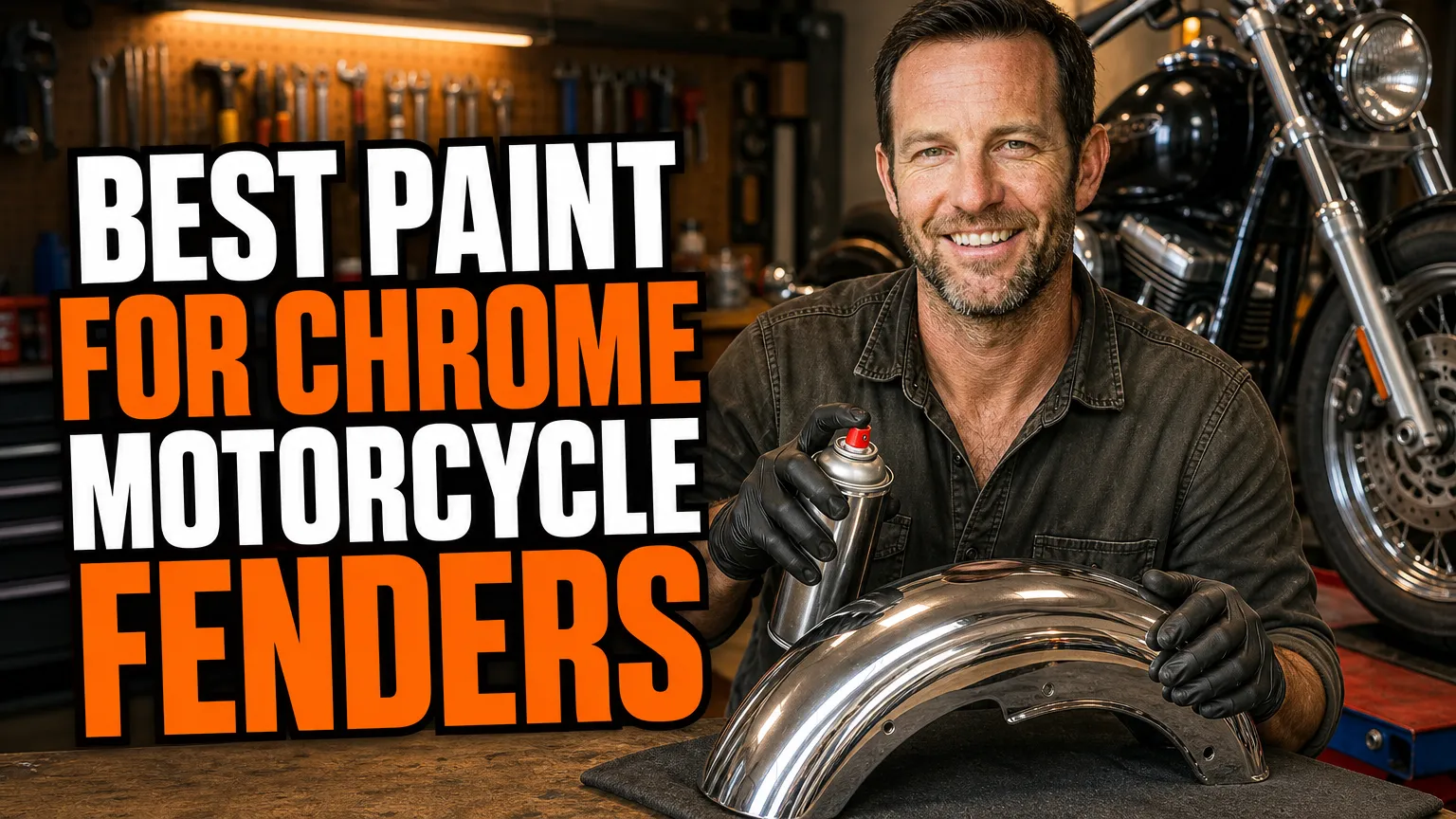
I’ve learned that repainting a chrome fender is less about finding a magic can and more about getting the surface ready for paint. Chrome is smooth and hard to bond to, so even a premium color coat can chip if I skip cleaning, abrasion, or the right primer. For a broader look at finishes and paint systems, I also refer to my guide to best spray paint for motorcycle projects.
Disclosure: some links in this article are affiliate links. As an Amazon Associate I earn from qualifying purchases, and I may also earn a commission from RevZilla at no extra cost to you.
Below, I compare real products I’d consider for a chrome-fender makeover, including primers, color coats, and clear coats. My top recommendation depends on whether I’m working with intact chrome, stripped metal, or a fender that needs a tough utility finish.
- I never paint over slick, unprepared chrome and expect a lasting result.
- I use an automotive primer and color coat that are confirmed compatible with the surface and one another.
- I like Dupli-Color Perfect Match for color choice and Eastwood 2K Ceramic Chassis Black for a tough black finish.
- I treat 2K coatings as professional products and follow their safety requirements carefully.
1. Eastwood 2K AeroSpray Epoxy Primer — My Choice for a Strong Foundation

When I’m aiming for a durable finish on properly prepared metal, I consider Eastwood 2K AeroSpray Epoxy Primer as a foundation coat. It’s a two-component aerosol: the product combines primer and hardener when activated, which gives me a more serious coating option than an ordinary one-part primer. I use it as a primer, not as a substitute for careful fender preparation or a compatible topcoat.
Why I’d choose it
Epoxy primer is useful when I want a tenacious base for a paint system on bare, prepared metal. I’m careful to check Eastwood’s current technical directions for surface compatibility, application conditions, recoat timing, and coverage before starting. Prices vary by retailer and kit size, but I generally expect a 2K aerosol primer to cost more than a basic hardware-store spray can.
I wouldn’t simply mist this over shiny chrome and assume the bond is solved. I’d first degrease, abrade, and assess the plating; if the chrome is flaking or I want maximum reliability, I’d have it professionally stripped. For paint elsewhere on the bike, I use a different approach for a best paint for motorcycle frame project, where the substrate and exposure can differ.
2. SEM Self Etching Primer 39683 — My Pick for Properly Prepared Bare Metal
SEM Self Etching Primer 39683 is a specific aerosol primer I consider when a fender has been taken down to suitable bare metal. Its self-etching chemistry is intended to help promote adhesion on compatible metal surfaces, making it a practical step in a repair or refinish. I’d confirm the product label and technical sheet for the exact metals and coatings it can be applied over.
Where I find it useful
I like this option when I’ve removed corrosion, old paint, or chrome in the area I’m refinishing and need a dedicated primer before color. It’s not a shortcut for painting over intact, mirror-smooth chrome: I prepare the substrate as directed and avoid applying an etching primer over a surface the manufacturer doesn’t approve. SEM products are typically sold through automotive paint suppliers, with prices depending on can size and location.
After priming, I use a compatible topcoat rather than mixing products blindly. I’ve found the same careful compatibility check matters when I’m researching the best paint for motorcycle gas tank, although a tank has its own fuel-resistance concerns that a fender doesn’t.
3. Dupli-Color Perfect Match Automotive Paint — My Color-Matching Favorite
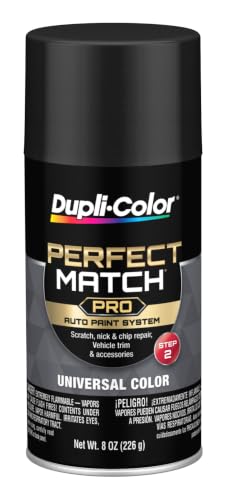
For a color coat with a broad range of automotive colors, I’d look at Dupli-Color Perfect Match Automotive Paint. It’s an aerosol automotive paint line designed to match factory colors, and the exact color availability depends on the vehicle code and retailer. I like that it gives me a path to a coordinated look when I’m matching a fender to the rest of a painted motorcycle.
What I keep in mind
I use Perfect Match as a color coat over a suitable prepared and primed surface, not as a direct-to-chrome coating. The product is commonly sold as a fast-drying lacquer aerosol, but I always check the particular can’s label for chemistry, recoat instructions, and compatible clear coats. A typical can costs more than basic general-purpose spray paint, and specialty colors can cost extra.
For a fender, I’d test the color and spray pattern on a sample panel before committing. I’d also follow the paint maker’s flash times and apply several controlled coats rather than flooding the surface. When I’m painting a tank instead, I compare the color options and process in my guide to the best spray paint for motorcycle tank.
4. Rust-Oleum Automotive Enamel — My Practical, Widely Available Option

Rust-Oleum Automotive Enamel is an accessible automotive aerosol option I’d consider for a straightforward fender repaint. It’s made for automotive applications and is generally easier to find at hardware and automotive retailers than specialty refinishing products. I’d choose it for a budget-conscious color coat when I can follow the label’s surface-preparation and application instructions.
How I’d use it on a fender
I still wouldn’t spray it directly onto untouched chrome and expect dependable adhesion. I’d prepare the surface, select a compatible primer where needed, and confirm the primer and enamel can be used together. The exact finish, colors, and price vary by product variant and retailer, so I check the can rather than assuming every Rust-Oleum Automotive product uses identical directions.
My main reason to consider this enamel is convenience and availability, not a promise that it will outperform a professional paint system. If I’m refinishing a high-value fender or want an exact factory-style finish, I’d spend more time comparing automotive paint systems and testing a sample first.
5. VHT Roll Bar & Chassis Paint SP671 — My Tough Satin-Black Pick

VHT Roll Bar & Chassis Paint SP671 is a real aerosol coating I’d consider when I want a durable-looking black finish rather than a custom color match. It’s marketed for chassis and roll-bar applications, and its finish is a practical fit for a rider who wants a restrained, functional appearance. I’d verify the current product instructions for substrate preparation and curing before using it on a fender.
My reasons for considering it
I like the idea of a purpose-made chassis coating for a fender that sees road spray and routine cleaning. Still, I treat the label as the authority: a coating’s intended application doesn’t mean it can bond to any chrome surface without preparation. I’d scuff and clean the fender carefully, then use a primer only if VHT’s directions allow that primer beneath SP671.
I’d choose VHT Roll Bar & Chassis Paint SP671 for a simple black finish, not when I need a metallic shade or an exact paint code. Pricing is usually in the mid-range for specialty aerosol coatings, though local availability can vary.
6. Krylon Fusion All-In-One — My Convenient Option for Small Repairs

Krylon Fusion All-In-One is a specific spray-paint line that combines paint and primer features and is marketed for a range of surfaces, including metal. I’d consider it for a small, lower-stakes project where ease of use and retail availability matter. It comes in multiple colors and finishes, but I’d confirm the exact can is suitable for my intended application.
Its limits on plated metal
“All-in-one” doesn’t mean I can skip prep on chrome. I’d thoroughly clean and abrade the surface, make a test spray, and pay close attention to the label’s adhesion guidance. On a fender that will face gravel, road debris, and frequent washing, I’d be more cautious about choosing a general-use product than a dedicated automotive paint system.
I wouldn’t use this as my first choice for flexible plastic parts, either; for those, I look at products and preparation steps intended for plastics, such as the options in my guide to the best spray paint for motorcycle plastics. A metal fender and a plastic fairing aren’t interchangeable surfaces.
7. Eastwood 2K Ceramic Chassis Black Aerosol — My Premium Black Topcoat

When I want a durable black coating and I’m willing to follow a more involved process, I’d consider Eastwood 2K Ceramic Chassis Black Aerosol. It’s a two-component aerosol chassis coating, intended for a hard-wearing black finish. I see it as a premium option for a carefully prepared fender, especially when I don’t need a color-matched or decorative metallic finish.
Why I’d reserve it for a careful job
The “2K” designation means the coating uses a hardener, so I don’t treat it like a casual spray can. I read the current product directions for activation, working time, compatible primers, and curing conditions. I also take the safety requirements seriously: 2K coatings can contain hazardous isocyanates, and I wouldn’t spray them without appropriate professional-grade respiratory protection and a properly controlled workspace.
As with every coating on this list, I wouldn’t apply it over glossy chrome without suitable preparation. I’d also test the whole system on a sample first, including primer and any clear coat, because incompatible layers can wrinkle, soften, or lose adhesion.
8. SprayMax 2K Glamour High Gloss Clear Coat — My Gloss-and-Protection Finish

SprayMax 2K Glamour High Gloss Clear Coat isn’t a color paint, but it’s a specific clear-coat product I’d consider when I want a glossy, protected finish over a compatible base coat. Its two-component aerosol format is designed to provide a hardened clear finish after activation. I use clear only when the underlying color coat’s manufacturer allows that combination and the application window is right.
When I’d add clear
I’d choose it when shine and an added protective layer matter more than keeping the project simple. Before using it, I check the product data for recoat timing, temperature range, and the appropriate base coat. I never assume that every aerosol color coat can safely be covered with every 2K clear.
Like other 2K aerosol products, SprayMax 2K Glamour Clear Coat requires serious attention to inhalation hazards and protective equipment. I would not spray it in an ordinary garage without suitable ventilation and the respiratory protection specified by the manufacturer. If I’m working on a tank, I also distinguish cosmetic clear-coat protection from a fuel-resistant internal sealer; that’s a separate decision covered in my guide to the best paint for motorcycle tank sealer.
How I Prepare Chrome Before Painting
I start by removing the fender from the motorcycle whenever practical. That lets me reach edges and mounting points, reduces overspray on the bike, and makes it easier to inspect the entire part. I wash off road grime, then remove wax, grease, and silicone residue with a suitable cleaner before sanding.
My surface-prep routine
I don’t rely on primer to stick to a smooth, polished surface by itself. I abrade the chrome thoroughly and evenly, keeping the surface clean as I work, then remove dust and inspect for peeling plating or corrosion. If the chrome is damaged, or I want the best possible adhesion, I’d have a professional strip it back to the appropriate substrate rather than burying a failing surface under paint.
Next, I choose a primer specifically approved for the surface I’ve created. A self-etching primer that suits bare metal may not be the right product over remaining chrome, so I check the label and technical sheet. I apply light, even coats and respect the required flash and recoat times.
After that, I apply the color coat and optional clear coat as a coordinated system. I test the process on a scrap panel first, keep the fender free of dust, and allow the finish to cure fully before reinstalling it. Even a well-painted fender can chip from stones, so I avoid aggressive cleaning and touch up damage before moisture gets underneath the finish.
How I Choose Between These Products
For a stripped-metal restoration, I’d start with a compatible primer such as SEM Self Etching Primer 39683 or Eastwood 2K AeroSpray Epoxy Primer, depending on the substrate and product directions. For a color-matched finish, I’d look at Dupli-Color Perfect Match. For a simple black coating, I’d compare VHT Roll Bar & Chassis Paint SP671 with Eastwood 2K Ceramic Chassis Black.
If I’m prioritizing convenience for a small project, I’d consider Rust-Oleum Automotive Enamel or Krylon Fusion All-In-One, while being realistic about the preparation required and the demands of motorcycle use. For added gloss, I’d only add SprayMax 2K Glamour High Gloss Clear Coat if the base coat and my safety setup are suitable. In my experience, the best paint for chrome motorcycle fenders is the product that matches the prepared surface, the finish I want, and the care I’m willing to put into application.
Frequently Asked Questions
Can I paint directly over a chrome motorcycle fender?
I don’t recommend painting over smooth, untouched chrome. I clean and abrade the surface thoroughly, then use a compatible primer, or have the chrome removed for the most reliable bond.
What paint works best on a motorcycle fender?
For a durable DIY finish, I use an automotive paint system with a primer suited to the prepared metal and a compatible color coat. I choose the exact products based on the fender’s condition and desired finish.
Do I need to clear-coat a painted motorcycle fender?
I use a compatible clear coat when I want extra gloss and protection from weather and road grime. I follow the paint maker’s recoat window and safety directions.
Can I spray 2K clear coat at home?
I avoid spraying 2K products without proper training, ventilation, and supplied-air respiratory protection. Their hardeners can pose serious inhalation risks.

Related Articles

6 Best Motorcycle Fork Paints for a Durable, Clean Finish
I compare six paints for motorcycle fork lowers, with practical notes on durability, finish, prep, cost, and the fork surfaces…
Jake Miller
12 min read

Remove Motorcycle Tank Badges Safely: A Rider’s Paint-Protecting Guide
Learn how I safely remove motorcycle tank emblems, loosen stubborn adhesive, protect paint, clean residue, and spot when pins or…
Jake Miller
11 min read

How I Remove Motorcycle Tank Stickers Without Damaging the Paint
Learn how I safely remove decals and sticky residue from a motorcycle tank without damaging paint, with tools, step-by-step tips,…
Jake Miller
11 min read