
6 Best Motorcycle Hub Paints for a Durable, Factory-Like Finish
 Jake Miller
10 min read
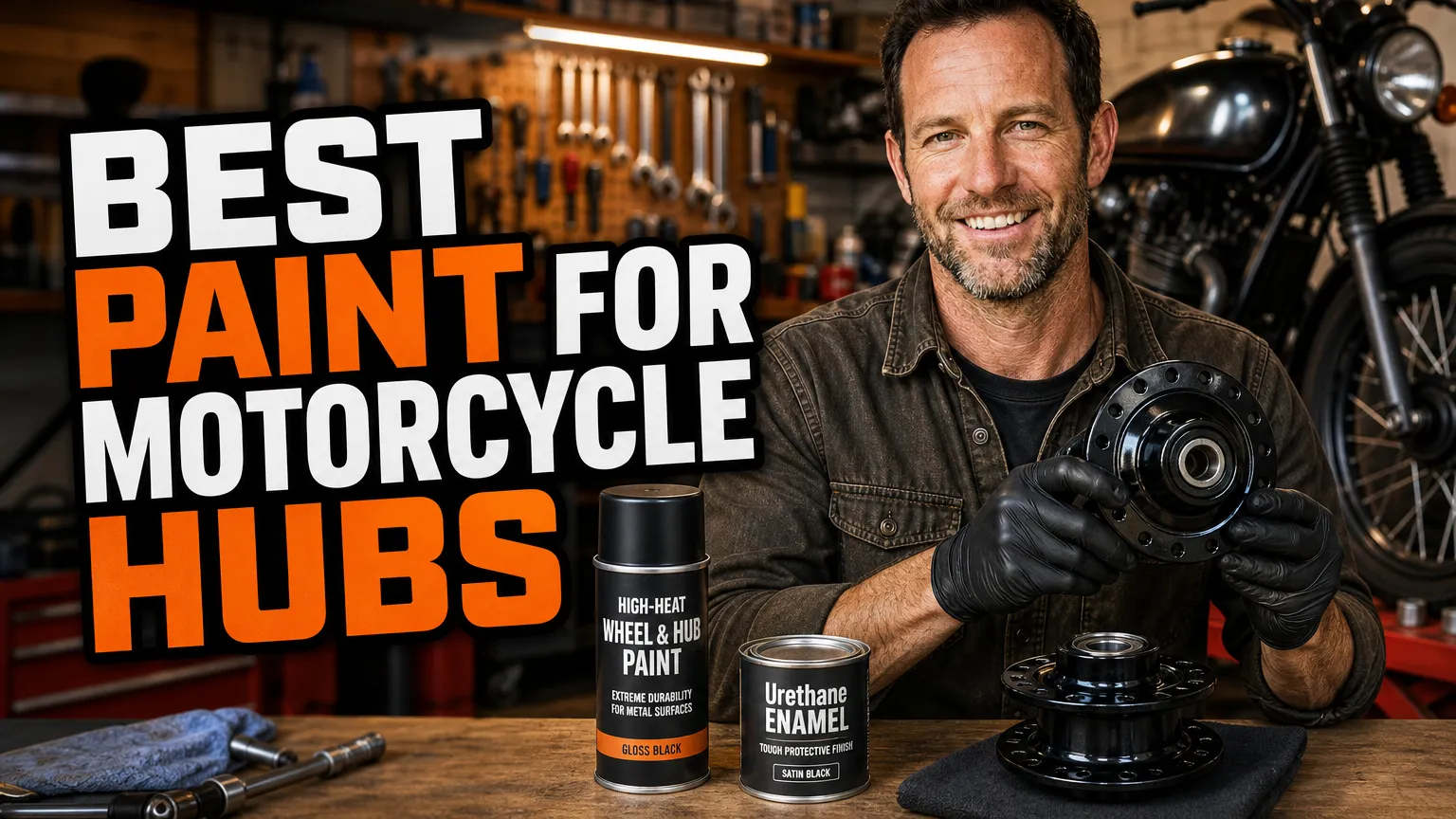
When I repaint a motorcycle hub, I want more than a fresh color. I want a coating that grips the metal, stands up to brake dust and road grime, and leaves the braking and bearing surfaces exactly as they should be. My best results start with matching the product to the hub material and putting in the time to prepare it properly.
Disclosure: some links in this article are affiliate links. As an Amazon Associate I earn from qualifying purchases, and I may also earn a commission from RevZilla at no extra cost to you.
Wheel coatings are often a sensible starting point, while engine enamels can suit some hubs and ceramic coatings can offer a more specialized finish. If you are comparing products for other parts of the bike, I also use this guide to the best spray paint for motorcycle projects as a broader reference.
- I favor dedicated wheel paints for a practical, easy-to-apply hub finish.
- VHT and Dupli-Color offer useful aerosol options in familiar wheel colors.
- Engine enamel and ceramic coatings give me alternatives for particular finishes and application needs.
- Careful cleaning, masking, and curing matter as much as the paint I choose.
How I choose paint for a motorcycle hub
I first check what the hub is made of and what finish is already on it. Cast or machined aluminum, steel, and previously painted surfaces can call for different preparation, so I follow the coating maker’s instructions rather than assuming one primer works for everything.
I also think about how the bike is used. A commuter that sees rain, grit, and frequent cleaning needs a tough, well-cured coating; a show bike may put more emphasis on color and sheen. In either case, I keep paint away from brake rotors, drum braking surfaces, bearing seats, seal lips, threaded holes, and axle contact points.
My picks below include products intended for wheels, an engine enamel, and a specialist coating. A high temperature rating is not automatically a sign of better hub paint: motorcycle hubs generally do not face exhaust-pipe temperatures, and surface preparation and compatibility are crucial.
1. VHT Wheel Paint SP187 Gloss Black — My pick for a classic black finish

When I want a straightforward black finish, I consider VHT Wheel Paint SP187 Gloss Black. It is a named wheel coating in an aerosol format, which makes it convenient for a home project when I can remove the wheel or carefully mask the surrounding parts.
I like that the product is made for wheel surfaces, where brake dust, grime, and routine washing are part of the job. Gloss black is an easy match for many original-style builds, and it can make a cleaned-up hub look noticeably sharper without calling too much attention to itself.
What I’d keep in mind
I would not treat wheel paint as a shortcut around prep. I clean off grease and brake dust, remove loose coating and corrosion, and follow the can’s directions for any required primer, coats, and curing time. I also test the color and sheen on a small, hidden area if the existing finish is unusual.
Best for: A rider who wants an accessible aerosol wheel coating and a familiar gloss-black finish. Prices vary by retailer, so I check current local listings before buying.
2. Dupli-Color Wheel Coating HWP101 Silver — My pick for a silver refresh

Dupli-Color Wheel Coating HWP101 Silver is one I look at when I want to restore a brighter, more original-looking metal tone. It is a wheel coating sold as an aerosol product, and the silver shade can work well on hubs that should sit visually close to a factory-style wheel finish.
For me, the appeal is the combination of a familiar brand, a finish made for wheels, and a color that does not force a full custom look. I would still compare the can’s silver to the wheel or hub in natural light: “silver” can vary between products, and a close match on screen is not a guarantee of a close match in person.
Where I’d use it
I’d consider Dupli-Color Wheel Coating HWP101 Silver for a cleaned, sound metal surface or a properly prepared old finish. If the surface has flaking paint, pitting, or oily residue, I address that before spraying; otherwise, even a suitable coating may not adhere well.
Best for: A silver wheel or hub refresh where I want a product formulated for wheel use. I check the current product label for compatible surfaces and application directions before starting.
3. Rust-Oleum Automotive Wheel Spray Paint — My pick for a simple DIY repaint
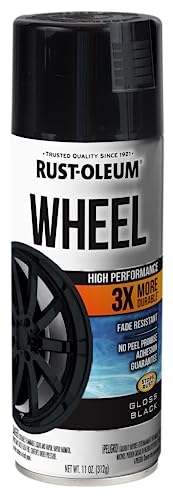
For a basic aerosol repaint, I also consider Rust-Oleum Automotive Wheel Spray Paint. It is marketed for wheel applications, so I see it as a more relevant choice for a hub than a general-purpose paint with no wheel-use guidance.
I would choose the available shade and sheen to suit the build, then plan the job around the can’s instructions. Good coverage does not mean spraying on a heavy coat; I prefer controlled, even passes and the specified time between coats to reduce runs and uneven texture.
My application notes
I make sure the surface is dry and free of wax, oil, and loose material. I also take masking seriously, particularly around the brake assembly, spoke or rim interfaces, bearing areas, and any nearby surfaces that must remain bare metal.
Best for: A budget-conscious home project where I want a readily available wheel-specific aerosol. I compare current can directions and colors, since product packaging and availability can change.
4. Dupli-Color Engine Enamel with Ceramic DE1615 Cast Coat Aluminum — My pick for an engine-style finish
Not every hub needs a wheel-paint look. When I want a cast-aluminum appearance, I consider Dupli-Color Engine Enamel with Ceramic DE1615 Cast Coat Aluminum, an engine enamel in a specific cast-coat aluminum shade.
Engine enamel is intended for engine components, so its temperature capability may be more than a hub needs. I see the main attraction here as the particular finish and the product’s stated engine use, rather than assuming that extra heat resistance makes it automatically tougher on every hub.
When I’d choose it
I’d use Dupli-Color Engine Enamel with Ceramic DE1615 when the color is the priority and the product label supports the surface I am coating. I avoid applying it over an incompatible coating or bare metal without checking the manufacturer’s preparation and primer recommendations.
Best for: A hub where I want a cast-aluminum visual effect rather than standard black or wheel silver. I would test the finish first if matching other engine parts matters.
5. KBS Coatings Motor Coater — My pick for an engine-coating alternative

KBS Coatings Motor Coater is another product I consider when I want an engine-focused coating rather than a conventional wheel paint. KBS markets it for motor and engine applications, and the product is sold in colors and formats that may suit different restoration projects.
My reason for including it is its intended role on engine surfaces, which can make it worth considering for a hub as part of a coordinated custom finish. Still, I would not assume that every color, substrate, or existing coating is compatible. I check the current label and technical information for surface preparation, application, and cure requirements.
A careful fit for the right project
For an aerosol project, I find the format convenient, but I still protect nearby parts and work with adequate ventilation. I follow all safety information on the label, especially when spraying, and allow the coating to cure fully before putting the wheel back into service.
Best for: A rider seeking an engine-style finish who is prepared to follow the product’s exact instructions. I would compare its color and sheen with the rest of the bike before coating the hub.
6. Cerakote C-Series C-7600 Glacier Black — My pick for a specialist coating

For a more specialized route, I look at Cerakote C-Series C-7600 Glacier Black. Cerakote’s C-Series is an air-cure ceramic coating line, and Glacier Black is a specific finish in that range. It is quite different from grabbing a standard wheel-paint aerosol, so I treat it as a deliberate coating project rather than a quick touch-up.
I would consider it when a thin, purpose-selected coating and a distinctive finish are priorities. The process requires suitable application equipment and careful adherence to the manufacturer’s instructions; it is not the easiest choice for someone who only wants to spray one hub in a driveway.
What makes this option different
With Cerakote C-7600 Glacier Black, I would pay close attention to the specified film application, surface preparation, and cure process. I would also confirm that the product is appropriate for my particular hub material and intended use before committing to it.
Best for: An experienced DIY painter or professional who wants a specialist coating and can follow the complete application process. For a simple home repaint, I would usually choose a wheel aerosol instead.
My practical tips for painting motorcycle hubs
1. Remove or mask parts thoughtfully
I prefer removing the wheel and hub when the job allows it, because that gives me better access and makes it easier to keep paint away from critical surfaces. If I leave parts assembled, I mask carefully and check that no overspray can reach the rotor, brake drum surface, bearings, seals, axle interfaces, or tire.
2. Clean before sanding or spraying
Brake dust and chain or road grime can undermine adhesion, so I clean the hub before sanding. I use a cleaner compatible with the surface and coating, let everything dry, and remove loose paint or corrosion without damaging machined areas or changing a precision fit.
3. Follow the coating system, not a guess
I read the label for primer requirements, application temperature, coat timing, and cure time. I avoid mixing products based on assumption; a primer, base coat, and clear coat should be compatible as a system. If the manufacturer provides a technical data sheet, I use it to confirm details before I start.
4. Keep paint off functional surfaces
My biggest rule is that appearance never comes before safe fit and braking. I do not paint brake friction surfaces, bearing seats, seal lips, threaded holes, or other contact points that need accurate dimensions or direct contact. If I accidentally coat a critical surface, I remove the paint appropriately rather than installing the part as-is.
5. Give the finish time to cure
Dry to the touch is not always the same as fully cured. I wait for the product’s stated cure period before handling, assembling, or riding, and I avoid harsh cleaners until the finish is ready for them.
My final recommendation
For most home hub refreshes, I would start with a wheel-specific coating such as VHT Wheel Paint SP187 Gloss Black, Dupli-Color Wheel Coating HWP101 Silver, or Rust-Oleum Automotive Wheel Spray Paint. They make sense when I want an aerosol product designed for wheel use and a finish that is easy to apply with basic equipment.
I’d choose Dupli-Color DE1615 Cast Coat Aluminum or KBS Coatings Motor Coater when an engine-style finish better suits the bike, and consider Cerakote C-7600 Glacier Black for a more specialized project. No matter which I pick, careful prep, precise masking, and complete curing are what help me get a clean-looking result without compromising the hub’s function.
If I’m painting other motorcycle parts at the same time, I match each coating to its job rather than using one can everywhere. I look at separate guidance for the best paint for motorcycle gas tank, the best spray paint for motorcycle tank, and the best paint for motorcycle tank sealer, since fuel exposure changes the requirements.
I also treat frames and plastic bodywork as their own jobs. For those, I check the advice on the best paint for motorcycle frame and the best spray paint for motorcycle plastics before choosing a coating.
Frequently Asked Questions
What type of paint works best on motorcycle hubs?
I usually choose a wheel coating made for metal, such as VHT Wheel Paint or Dupli-Color Wheel Coating, because it is intended for wheel surfaces exposed to road grime and brake dust.
Do I need to remove my motorcycle hub before painting it?
I prefer removing the wheel and, when practical, the hub. That makes it easier to protect bearings, seals, brake surfaces, and nearby parts from overspray.
Can I use engine paint on a motorcycle hub?
Yes, I may use engine enamel on a hub when its finish and application suit the job. I still follow the product label and avoid coating bearing fits, brake surfaces, or other precision areas.
How do I make paint last on a motorcycle hub?
I focus on thorough cleaning, removing loose paint and corrosion, following the primer and cure instructions, and keeping paint off brake and bearing contact surfaces.

Related Articles

6 Best Motorcycle Fork Paints for a Durable, Clean Finish
I compare six paints for motorcycle fork lowers, with practical notes on durability, finish, prep, cost, and the fork surfaces…
Jake Miller
12 min read

Remove Motorcycle Tank Badges Safely: A Rider’s Paint-Protecting Guide
Learn how I safely remove motorcycle tank emblems, loosen stubborn adhesive, protect paint, clean residue, and spot when pins or…
Jake Miller
11 min read

How I Remove Motorcycle Tank Stickers Without Damaging the Paint
Learn how I safely remove decals and sticky residue from a motorcycle tank without damaging paint, with tools, step-by-step tips,…
Jake Miller
11 min read